How to Analyze a Rugby Team's Attack: Phase Play, Pods, and Strike Moves
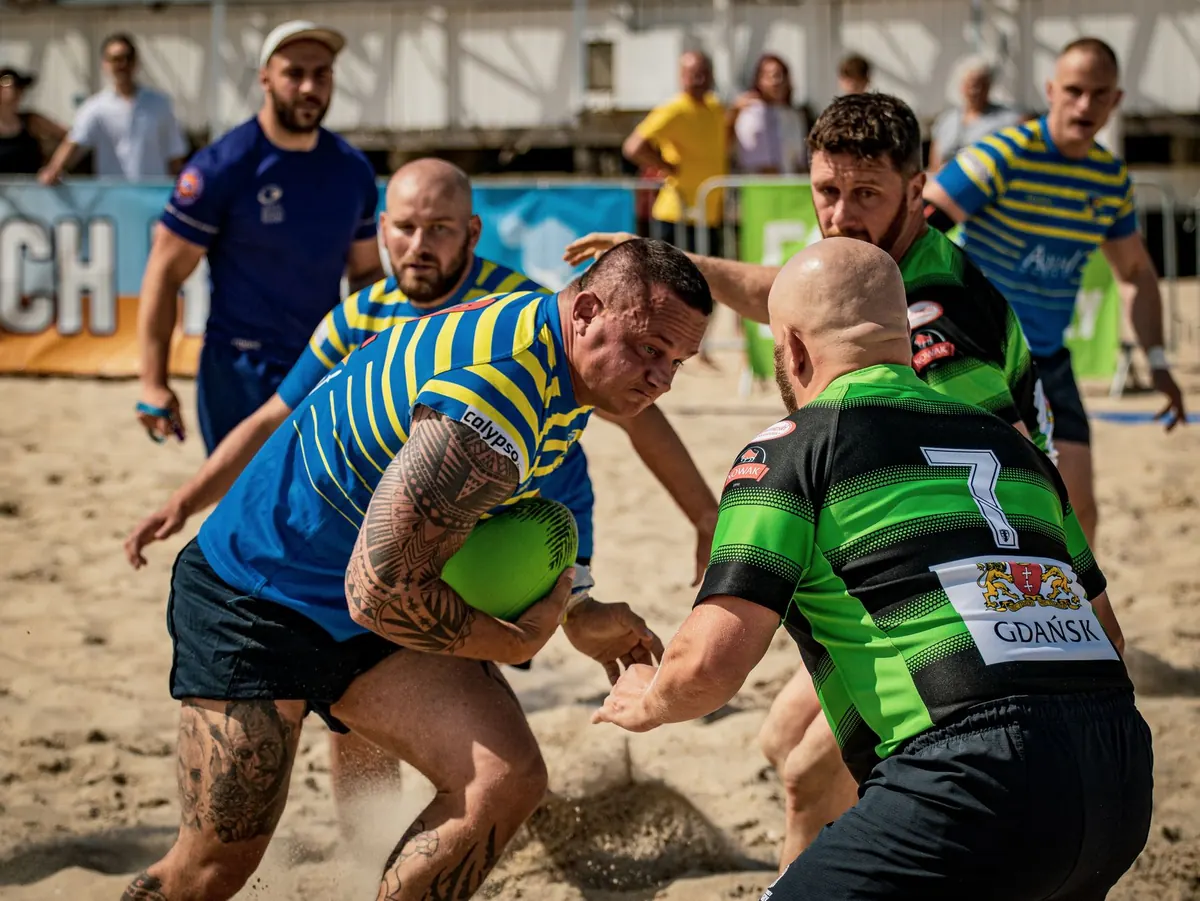
Most attacking sequences look like chaos the first time you watch them. Eleven or twelve bodies moving at once, the ball appearing here and then there, a ruck, another ruck, a whistle. Watch the same passage three times and it becomes something else entirely: a shape with a purpose, repeated with small variations until the defence cracks. That shift — from watching rugby to reading it — is mostly a matter of knowing where to look and in what order.
This is a working method for analysing a team's attack. It works on a television replay, on a wide-angle feed, and in the ground with a notebook on your knee. Nothing here requires expensive analysis software, just patience and a plan.
Start With Shape, Not the Ball
The instinct to follow the ball is the single biggest obstacle to understanding attack. The ball tells you what happened. The shape tells you what was supposed to happen.
At every ruck, take your eyes off the ball carrier and sweep the field. Where are the forwards standing? Are they bunched tight to the ruck or spread in small groups across the pitch? How many backs are on the open side, and how wide are they? Is there a forward standing in midfield among the backs, or one loitering near the touchline?
Do this for a whole possession and you will start to see a formation rather than a scramble. Teams tend to use the same two or three shapes all match, so the second and third time you see a formation is where your analysis actually begins. Recognition beats reaction.
Pods: the Building Blocks of Modern Attack
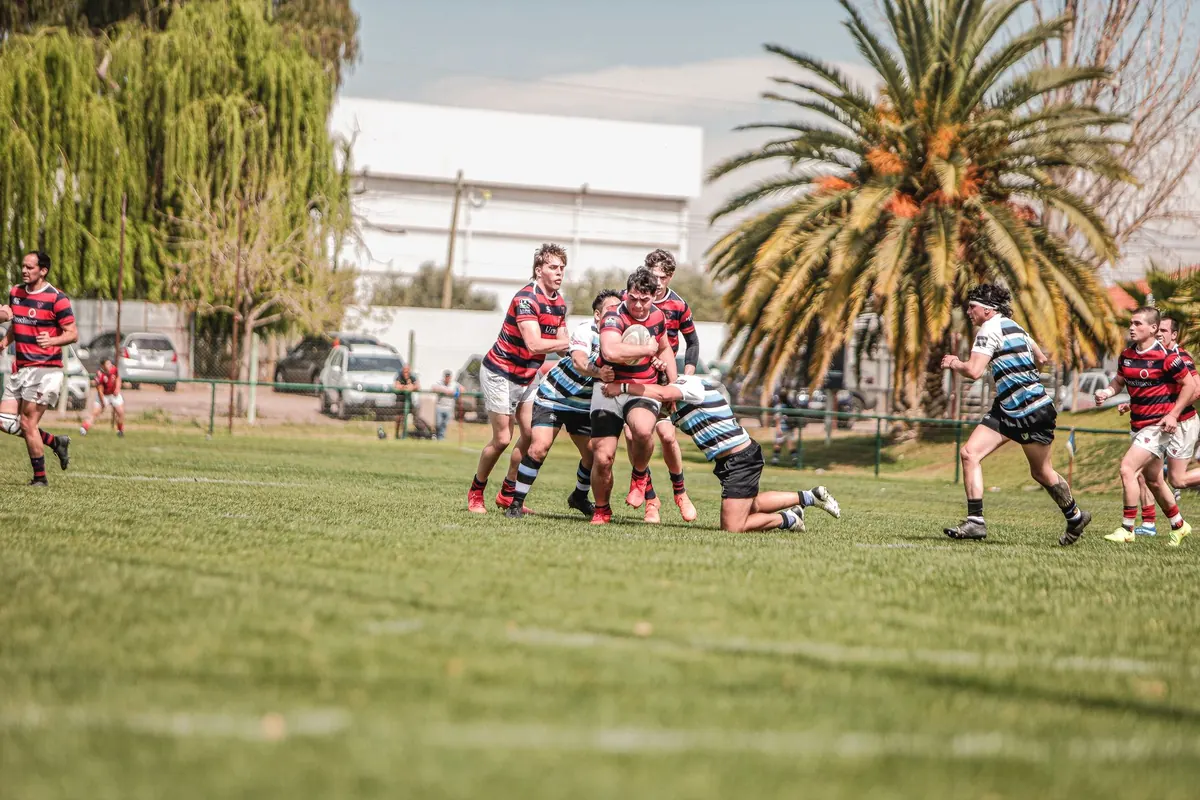
A pod is a small group of forwards — usually two, three, sometimes four — bound together near the ruck or out in the wider channels, with a distributor close by. The pod gives the attack a compact carrying unit that can take contact, tip the ball on, or set the next ruck, while the backline stays spread and available.
The tight pod
You will see it close to the ruck, often three forwards one behind another. Its job is to carry into the nearest defenders, pull them inwards, and produce clean, quick ball. If a team uses a tight pod repeatedly without going anywhere, they are either buying time or their ruck ball is too slow to do anything else.
The wide or midfield pod
The same structure, moved fifteen metres out towards the touchline with the backs beyond it. This is the interesting one, because it presents two threats from one picture: the forwards can carry short and suck in defenders, or the ball can be passed out the back to a backline facing a defence that has already narrowed. Watch the first receiver's depth — flat means they intend to attack the gain line, deeper means they want width.
The screen and the tip-on
A forward receives flat and passes immediately behind him to a trailing player arriving at pace. It looks like a mistake if you are only watching the ball. It is a deliberate attempt to make a defender commit to the wrong man. Spot it by watching the receiver's hands rather than his feet: a carrier who catches and passes in one motion is rarely carrying at all.
Phase Play: Count Numbers, Tempo and Ruck Commitment
Phase play is where structure meets fitness. Three things are worth tracking across a multi-phase sequence.
- Numbers on the open side. Count attackers against defenders. A four-on-three on the far side of the ruck is a signal worth following even when the ball goes the other way.
- Ruck commitment. One or two forwards in the ruck usually means the team wants width and speed. Three or more means a tighter, more controlled approach — or a team that has lost the race to the breakdown.
- Tempo. Count the seconds yourself, from the moment the ruck forms to the moment the ball leaves. Slow ball lets the defence reset; fast ball forces them to make decisions before they are set.
Also watch direction. Is the attack genuinely going forward, or drifting sideways across the field? A team moving laterally phase after phase is usually a team that has run out of ideas, or one patiently waiting for a defender to bite on the wrong runner.
Strike Moves: What to Look For at the Set Piece
Strike moves are rehearsed plays, most often launched from a scrum or lineout, and they have a trigger — a specific action that starts the sequence. Common triggers include the scrum half passing to a forward instead of the fly half, a forward picking from the base, a runner changing his angle at the last moment, or a loop between two backs.
The trick with strike moves is to rewind three seconds before the pass. That is when the shape is set and the intentions are visible. Ask three questions:
- Where is the fly half standing when the ball leaves the scrum half's hands — flat, or deep?
- Who runs a decoy line and never receives? Those players often tell you more than the ball carrier.
- What happens on the phase immediately after? Most strike moves are designed to produce a quick ruck and a second wave, not a clean break.
If you can name the trigger before the ball is passed, you have stopped watching rugby and started reading it.
Live Versus Video: Use Both for Different Jobs
Video is better for structure. You can pause, step through a passage, and watch the same decoy runner three times. Its weakness is that the camera follows the ball, so you lose the far side of the field — which is exactly where the space usually is.
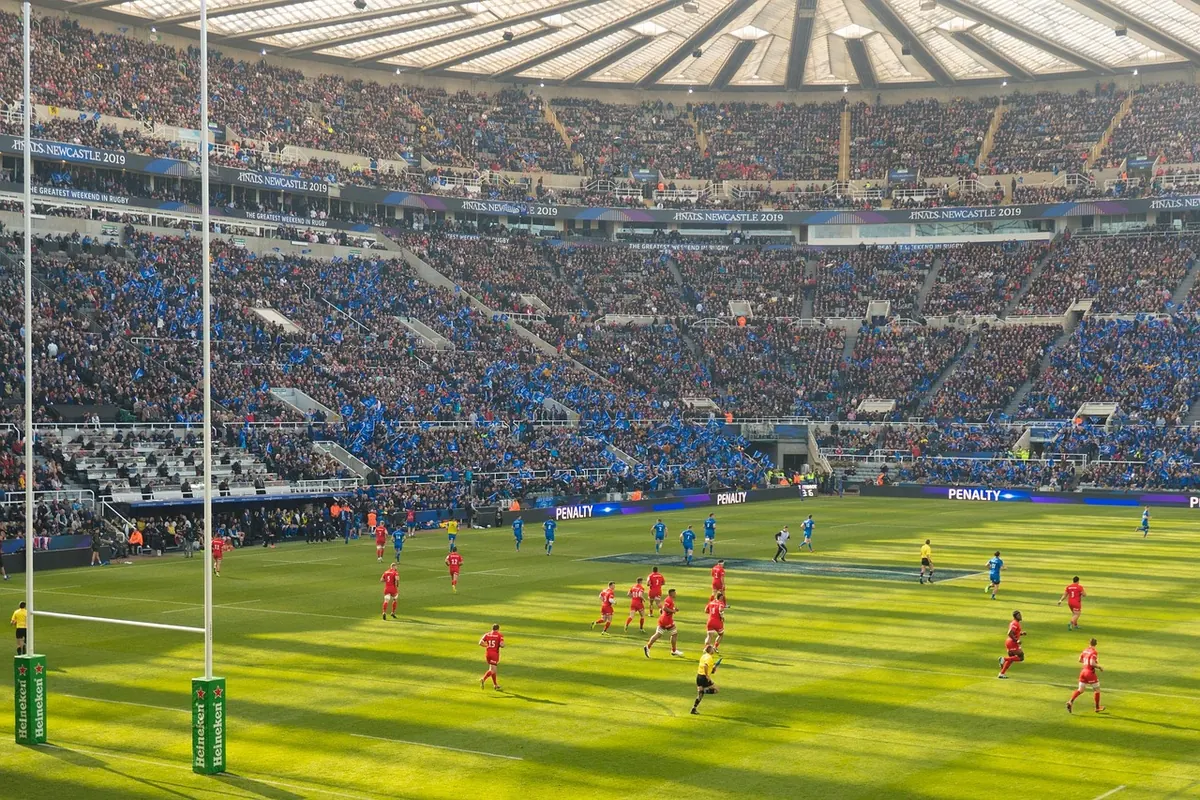
Live viewing is better for width, tempo and defensive reaction. You can see the whole shape at once, and you can feel how quickly the defence is closing. Its weakness is that you only get one look, so pick a single thing to track per half. Trying to analyse everything from the stands leaves you with nothing but a vague impression and a cold cup of tea.
A Simple Routine You Can Use This Weekend
Pick one match, one team, one thing. Write ten lines in a notebook or a notes app.
- Choose a team and commit to them for the full eighty minutes.
- For each of their first five possessions, note the shape: tight pods, wide pods, or backline-first.
- Count the forwards committed to the ruck for the first three phases of each possession.
- Watch every scrum and lineout for a trigger — and note whether it was repeated later in the match.
- At full time, write one sentence: what did this team actually try to do?
Repeat the exercise next week with a different team. After a month, you will find yourself predicting the pass before it is made, which is the real point of all this. Analysis is not a description of what happened; it is a habit of noticing patterns early enough to matter. Keep the notes short, keep watching the shape, and let the scoreboard take care of itself.
Photo: Aliaksei Semirski / Pexels