Matchday Checklist for Your First Live Rugby Game: Tickets, Weather, and Stadium Etiquette
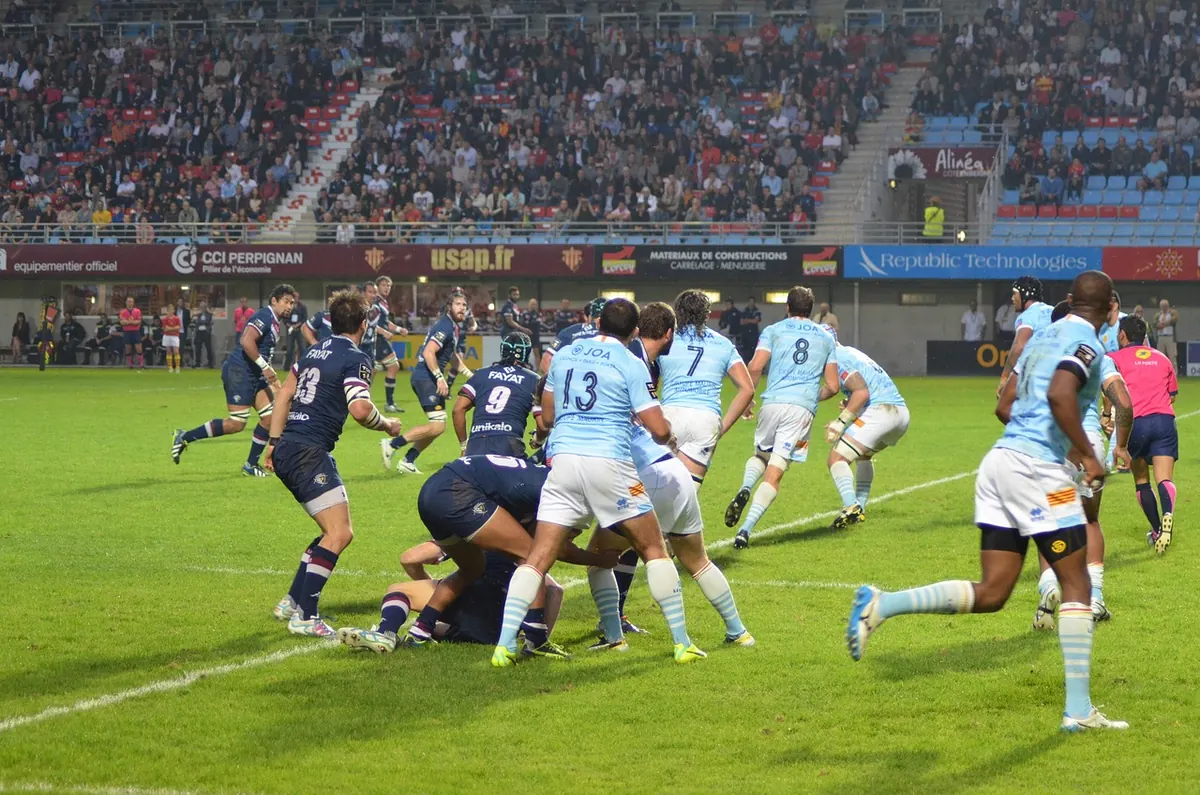
Your first live rugby match is not a bigger version of the television broadcast. It is a different animal. The contact sounds like a wet thud you feel through your feet. The ball travels further than the camera ever suggests. And the crowd reacts a half-second before you understand why, because thousands of people around you can see the whole field at once.
That first afternoon or evening can be wonderful, or it can be a slog in wet shoes with a bag you were not allowed to bring in. A little preparation fixes the second version. Here is what to sort out before you go, and what to expect once you are in your seat.
Before You Go: Tickets, Kickoff Times, and Seating
Buy through the club's official website, the league's official resale platform, or a member who is transferring a ticket legitimately. Social media sellers and unfamiliar resale sites are where people get burned, and rugby crowds are not immune to it. If a deal looks oddly cheap for a big fixture, treat that as a warning rather than a bargain.
Kickoff times move. Broadcasters shift fixtures, sometimes only a few weeks out, and a Saturday 3pm game can become a Friday night. Check the club's official channels the day before you travel, not the fixture list you screenshotted in August.
Seating matters more than newcomers expect. A seat in the lower tier near the corner gives you a close, noisy view and a poor sense of the game's shape. Higher up in the middle, you see the tactical picture — the defensive line, the space out wide, the kick chase. The safe standing and terrace areas are cheaper, louder, and first-come, and standing is normal there. If you are taking children or anyone who needs a clear view, choose a seated family section and check the club's accessibility arrangements well in advance rather than sorting it on arrival.
What to Wear: Weather Beats Fashion
Rugby is a winter sport in most of the world, played in rain, wind, and temperatures that drop fast once you stop moving. Dress in layers you can peel off and put back on: a base layer, a fleece or jumper, and a waterproof jacket with a hood. Umbrellas are banned in many stadiums and unpopular in all of them, so the hood is doing real work.
Add a warm hat, gloves, and a scarf in your team's colours if you want to fit in immediately. For early-season fixtures, sunscreen and a cap are just as sensible — sitting in an open stand for two hours in the sun is a genuine mistake.
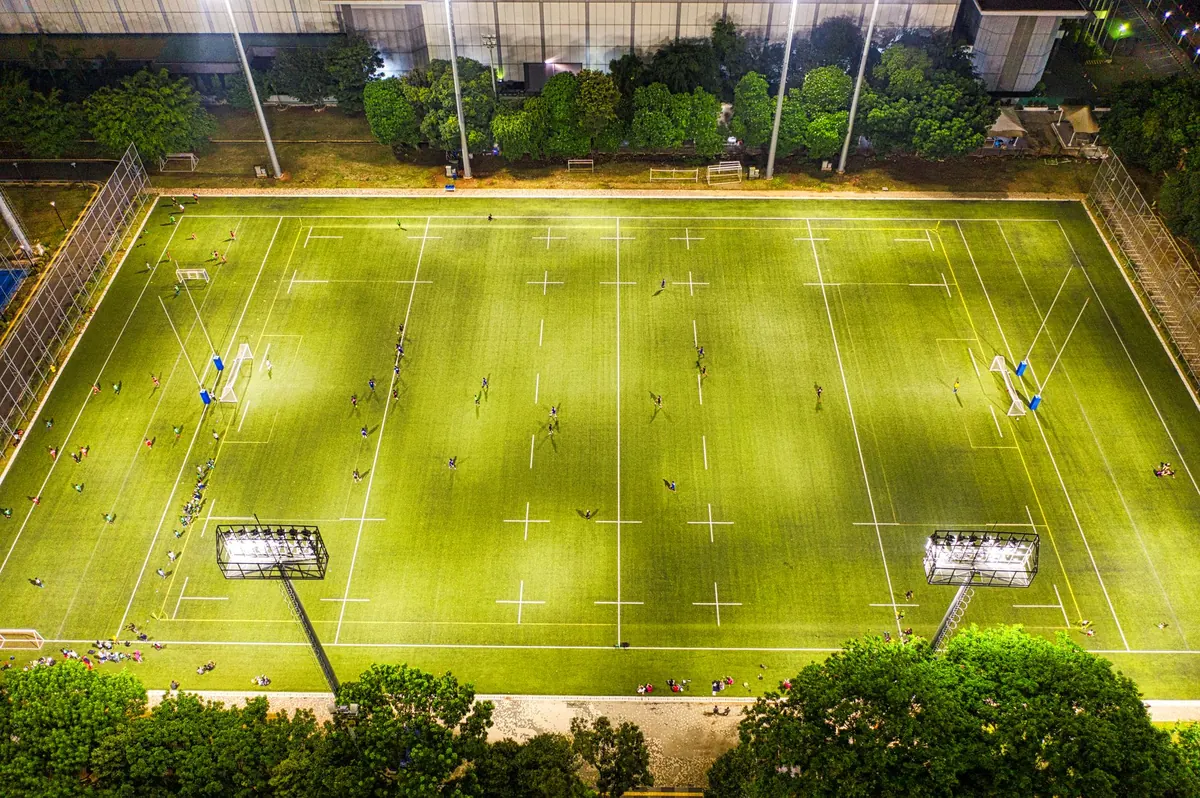
On footwear: trainers or comfortable boots are fine on grass terracing, but some venues with artificial pitches restrict certain studs and blades. Check the stadium's rules if you plan to wear anything with metal on the sole.
What to Bring (and What to Leave at Home)
Packing light pays off at the security queue. Most grounds allow only small bags, and policies on bag size and type vary, so read your club's prohibited items list before you leave.
- Your ticket, downloaded or printed, plus a screenshot in case the signal dies in a packed crowd.
- A small bag that fits the stadium's size limit — often roughly the size of a sheet of paper.
- A power bank, because phones drain fast when everyone is filming the same scrum.
- Cash and a card, in case kiosks are card-only or cash-only, which varies by venue.
- Earplugs for young children, who often find the noise more overwhelming than the rugby.
- Photo ID if you are collecting tickets or using a membership card.
Leave these behind: glass, alcohol bought outside, flares or smoke devices, drones, and anything that looks like it belongs at a football derby. Stewards will confiscate them, and you will spend kickoff at the gate instead of in your seat.
Getting There and Through the Gate
Public transport is almost always the calmest option. Roads around stadiums seize up an hour before kickoff and stay that way well after the final whistle, so if you are driving, book parking in advance or use a park-and-ride. Aim to be near the ground 60 to 90 minutes early if you want a relaxed entry; gates typically open around an hour before the game.
Expect a bag search and a pat-down. Pick a meeting point with your group before you split up — "by the statue outside the north stand" works far better than calling each other, because mobile networks get sluggish when tens of thousands of phones are in one place.
Stadium Etiquette: How to Behave in the Stands
Wait for a break in play
If you need to reach your seat, do it while the game has stopped — after a try, a penalty, or an injury stoppage. Walking down a row during open play blocks everyone behind you and earns you the kind of attention nobody wants.
Respect the kicker
When a goal kick is being lined up, the ground goes quiet. That silence is one of rugby's better traditions, and joining in is the easiest way to show you understand the sport. Cheer when the ball is struck, not before.
Stand up, go with it
In terraces and in plenty of seated stands, people stand when the action comes near. Don't fight it. If you cannot stand for long periods, choose a seated section without a standing culture.
Keep it good-natured
Home and away supporters are usually mixed together, and gentle banter is part of the experience. Personal abuse, especially aimed at players or the referee's family, is not. Boo the decision, not the person. When an injured player is carried off or walks off, applause is the standard response, and it is a good habit to pick up.
You will miss things. The camera sees what the director chooses; the crowd sees everything. Trust the noise around you and watch the referee's signals — his arm tells you which way the penalty is going before anyone announces it.
What to Expect Once the Ball Is in Play
A match is 80 minutes, split into two 40-minute halves with a break of about ten minutes in between. The clock stops for injuries and video reviews, so the game will run longer than the running time suggests — plan your journey home accordingly.
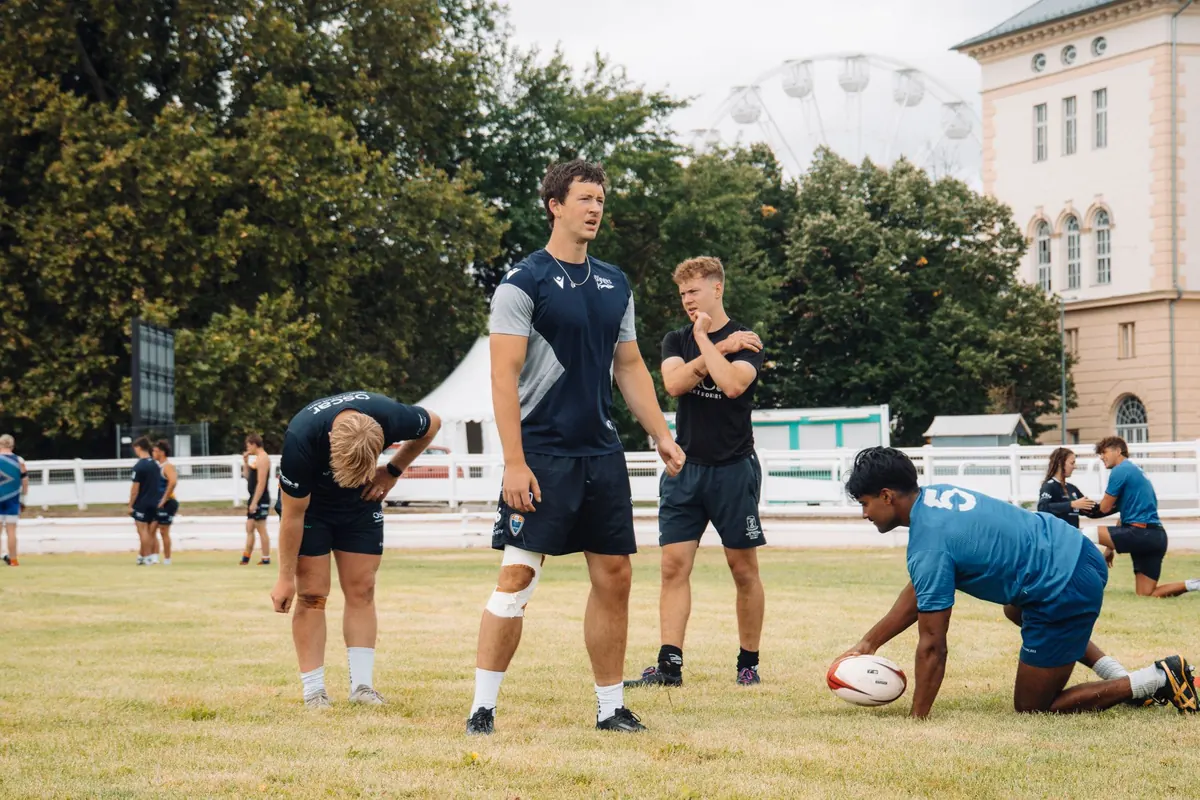
Halftime queues at food and toilet stalls are long everywhere. Go two minutes before the whistle, or wait ten minutes after it and stroll in. If you want to see the teams warm up, arrive early: watching a professional side go through its kicking and lineout drills is often more instructive than the match itself.
Stay to the end if you can. Teams usually walk the pitch afterwards and applaud the stands, and the last few minutes of a close game, when the crowd noise swells and nobody sits down, is the part that turns a casual visitor into a regular.
Your Matchday Shortlist
- Confirm the kickoff time the day before and check the stadium's bag and prohibited items list.
- Check the forecast and dress in layers with a waterproof hood.
- Download your ticket, charge your phone, pack a power bank.
- Travel early, meet your group at a fixed point, allow time for the search queue.
- Learn the two etiquette basics: wait for a stoppage to reach your seat, stay quiet for the kicker.
Do those five things and the rest takes care of itself. Buy your ticket officially, arrive dry and early, and let the noise of the ground do the persuading. Most people leave their first live match planning the next one before they have reached the car park.
Photo: romain109 / Pixabay