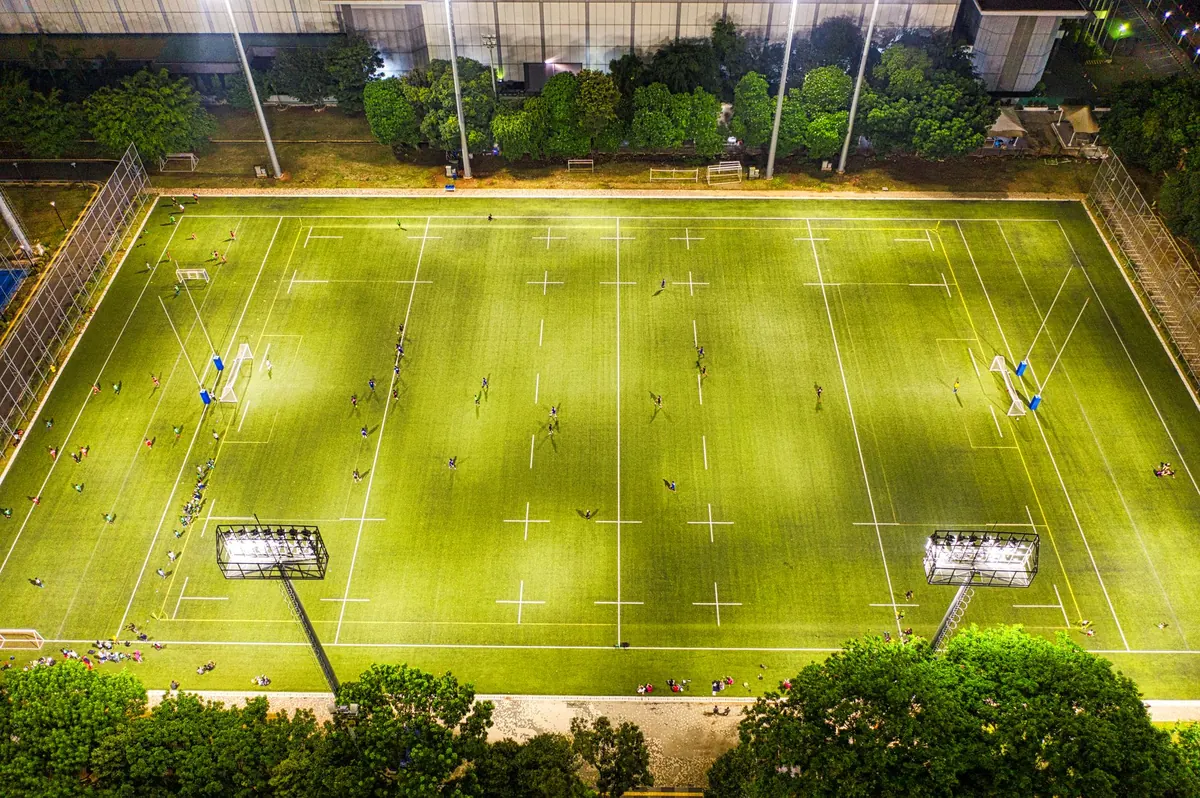
How to Read a Rugby Match: A First-Timer's Guide to Possession, Phases, and Penalties
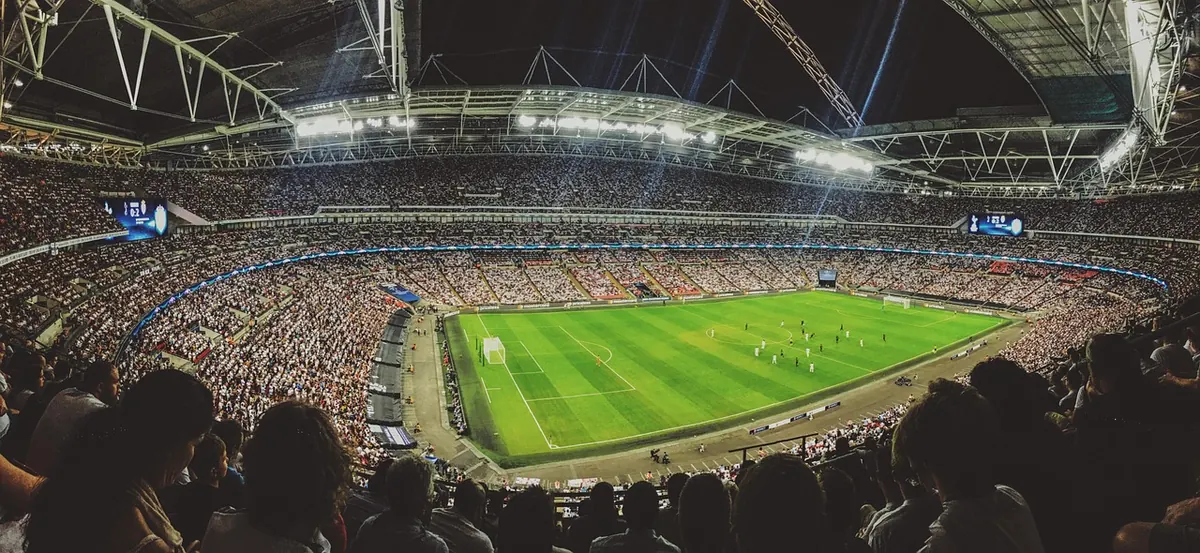
Rugby can look like a controlled crash with a whistle attached. Thirty players, one ball, and a referee whose arm seems to mean something different every twenty seconds. The trick for a new viewer is not to memorise the law book. Give your eyes three jobs instead: find the ball, find the referee's arm, find the space the attack is trying to open. Do that for a half and the match slows down considerably.
Start With Possession — Then Look Past It
Possession tells you who is attacking. It rarely tells you who is winning. Teams finish matches with far less of the ball and a comfortable lead, because territory, discipline and the scoreboard matter more than time spent carrying.
Use possession as a compass and nothing more. At each restart, note who has the ball and which way they are going, then ask the better question: what are they trying to do with it?
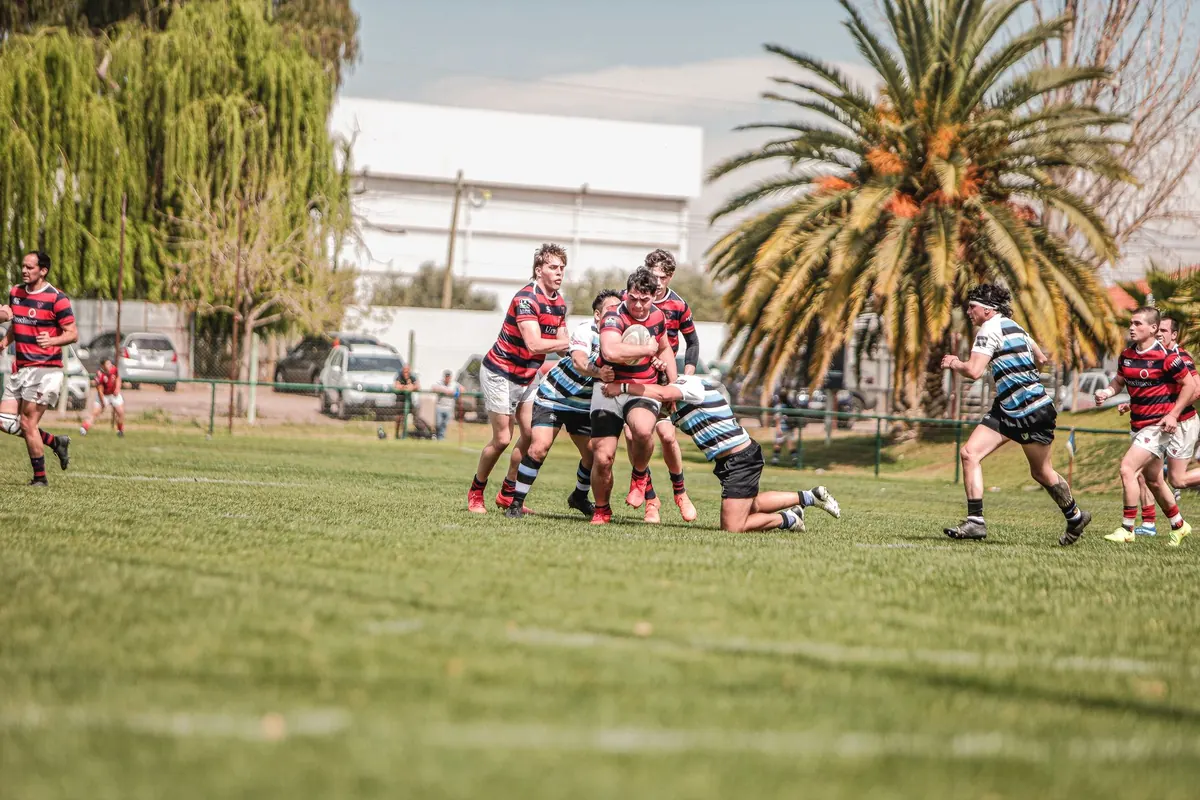
Attacks announce themselves early. A side that wants to keep things tight sends forwards into contact close to the ruck, drawing defenders in one at a time. A side that wants to stretch the defence moves the ball wide within the first two passes. Watch the opening minutes of either half and you will see which style each team has brought.
Phases Are the Game's Rhythm
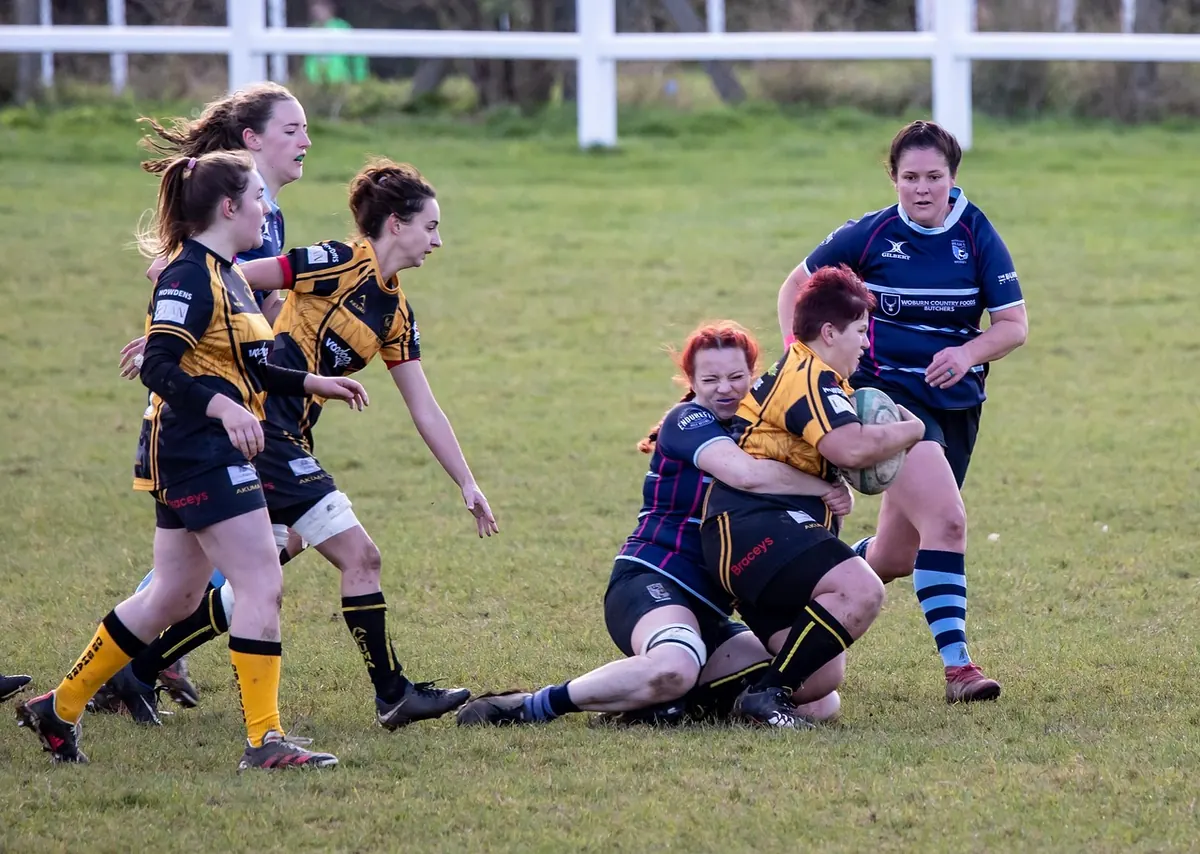
A phase is one completed ruck or maul: a tackle, the ball recycled, play continuing. When a commentator says "seven phases", the ball has survived seven of those moments without being turned over.
Phase counts measure pressure. Every extra phase asks a defender to make another decision — hold the line, drift out, step in, contest the ball — and eventually somebody is late or out of position.
At each ruck, watch four things:
- The carrier: is he running into contact alone, or with a teammate close enough for a pass or a tip-on?
- The support: how quickly do the next two players arrive? Late support means a turnover or a penalty.
- The defence: are they numbered up across the field? A gap often means the previous ruck dragged someone in.
- The referee: hands on the ball, feet on the ground, offside line. This is where much of the whistleblowing happens.
The first few phases are scripted
Teams rehearse the opening exchanges from a scrum or lineout. Notice what a team does in phases one, two and three — a forward carry off the scrum-half, a pass behind a screen of runners, a kick — and you can start to guess where the fourth or fifth phase is going. After that, structure loosens and instinct takes over, which is usually when the crowd noise rises.
The Referee Is Your Best Commentator
Follow the referee's arm and you follow the game. Most decisions are signalled before they are explained, and the signal is clearer than the shout.
- Arm out to the side with play continuing: advantage. The referee is waiting to see whether the wronged team gains more from the free play than from the penalty.
- Arm straight up with a whistle: penalty. The referee will point towards the team that gets the ball.
- Bent arm pointing at a team: free kick, the lighter sanction, usually for a scrum or lineout technicality.
- Both arms out and a crouch: scrum.
At the tackle area, listen for the short phrases: "release", "no hands", "off your feet", "holding on", "rolling away". The principles are simple. The tackler must release the ball and get back to his feet before competing. The tackled player must place the ball immediately. Everyone else must arrive on their feet and from behind the ball, not the side.
If the whistle goes and you have no idea why, look at the direction of the referee's point. Direction tells you more than the reason, and you can usually work out the rest from the replay.
What a Penalty Actually Buys
A penalty is a choice, and the choice tells you what a team believes about the match. Kick at goal for three points. Kick to touch for a lineout near the try line, chasing seven. Tap and go, or take a scrum, to attack a defence that has just been caught cheating.
Score and time drive most decisions. A team two points behind with ten minutes left takes the shot at goal. A team needing a converted try kicks to the corner. Sides with a dominant lineout and driving maul back it near the line; sides without one usually do not.
There is a cumulative cost as well. Repeated penalties in the same area of the game can lead to a spell in the sin bin, and a penalty try if the referee decides a try would probably have been scored without the offence. That is why captains spend so much time talking to referees: the warning is often the turning point of a match.
Set Pieces, Space and the Shape of an Attack
Scrums and lineouts look like scrums and lineouts. They are also the only moments when a coach gets to place fifteen players exactly where he wants them.
In a lineout, the numbers are the message. Seven in the line with a maul forming means a driving play. Four or five means the ball is going wide quickly, or that a forward is peeling around the front. In a scrum, watch the back row: which flanker breaks early, whether the number eight picks from the base, how the backs line up behind.
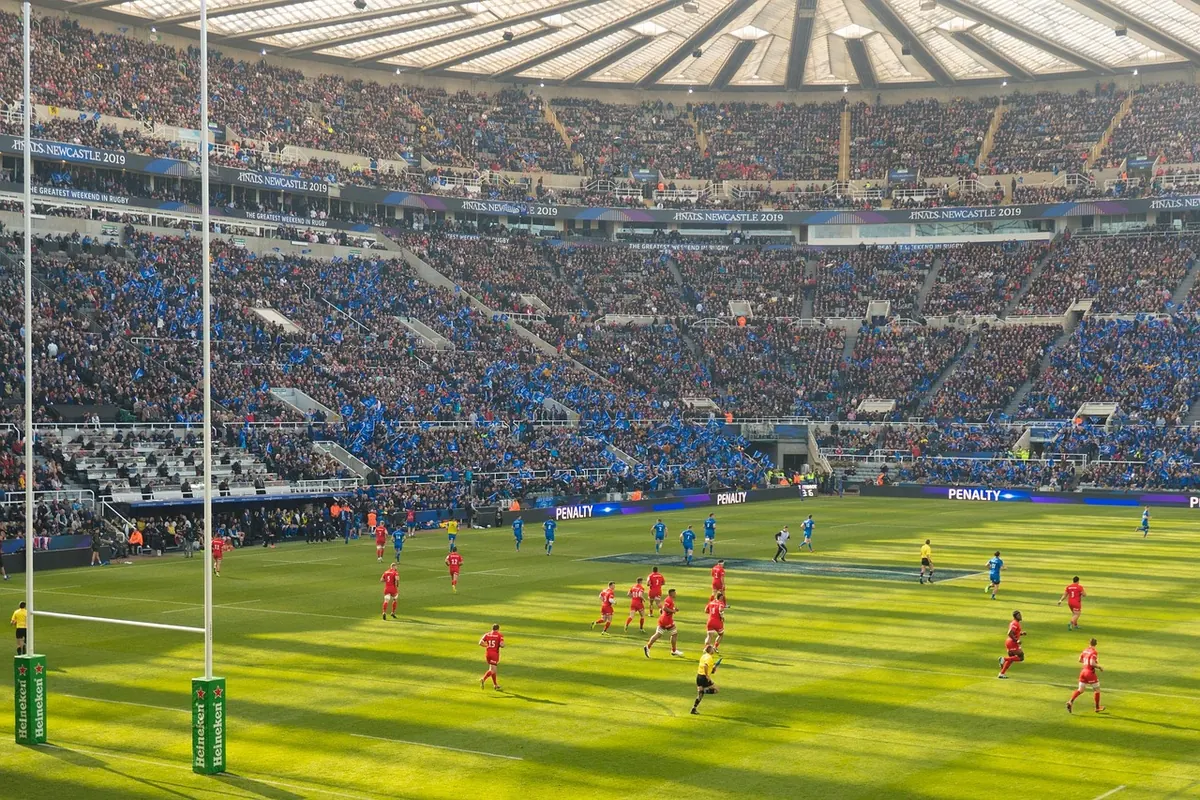
Then count bodies between the ball and the touchline. Two defenders against three attackers, and something is coming. A flat defensive line that presses hard leaves space behind it, so expect a kick. A line that drifts sideways leaves a short pass or a switch on the inside. You do not need to predict the move; noticing which side of the field is short of defenders is enough.
Watching Your First Match
Here is a plan that works from the first whistle.
- Pick one player — a centre or a flanker — and watch only him for five minutes. You will see the work that never makes the highlights: the chase, the cleanout, the line speed.
- Count phases out loud at every ruck until the ball goes dead. Ten minutes of this and you will feel the tempo of the match.
- For every whistle, say the direction before the referee points. You will be wrong early and right sooner than you expect.
- When a try is scored, rewind to the ruck five seconds earlier. That is where the space was created.
You will not catch everything in your first match, and nobody expects you to. The game rewards a second look. Choose one passage from each half, watch it again knowing the outcome, and a pattern will appear that was invisible the first time around.
Photo: Pexels / Pixabay